Cresten Labs sells only through crestenlabs.eu and orders@crestenlabs.eu. Any other site or social account using our name is not us.
Skip to main content
Research Use Only, not for human or veterinary consumption Ships across the EU single market Verified, every batch
Order status
Research areas Five categories, Edition 2026

We sort the catalogue by what the research studies,
not by what you might hope it does.

Each compound on the Cresten catalogue is positioned within one of five research areas. The categorisation reflects the published preclinical literature, not therapeutic positioning. Cresten supplies; the literature determines whether any compound is appropriate to a given experimental design.

Research areas, not therapeutic indications.

A common pattern in the European peptide market is to organise compounds by therapeutic outcome. "Anti-aging peptides." "Sexual performance peptides." "Weight loss peptides." It reads as helpful. It is also a quiet way of telling you a research compound is a medicine, which it is not, and which we are not in the business of pretending. So we do not sort that way. We sort by what the published research actually looks at.

The Cresten catalogue is organised by research area. The compounds in our Skin and Hair Follicle Biology area are studied in the research papers for how they work in dermal fibroblast and hair-follicle pathways. Whether a buyer wants to investigate those mechanisms in their own research is the buyer’s decision, within their own research framework. We supply verified material. We do not promise outcomes.

"The categorisation is a research framework, not a clinical prescription."

The five research areas below cover the main research interest in peptide science as of 2026. Each area description points to the general direction of published research, without making any therapeutic claims. Each compound links to its product page, which carries the certificate of analysis, the batch identifier, the public verification page, and the lab method used.

The five areas

Where the catalogue investigates.

Tissue repair research compounds at the Cresten verification standard
Area 01

Tissue Repair & Pathway Mechanisms

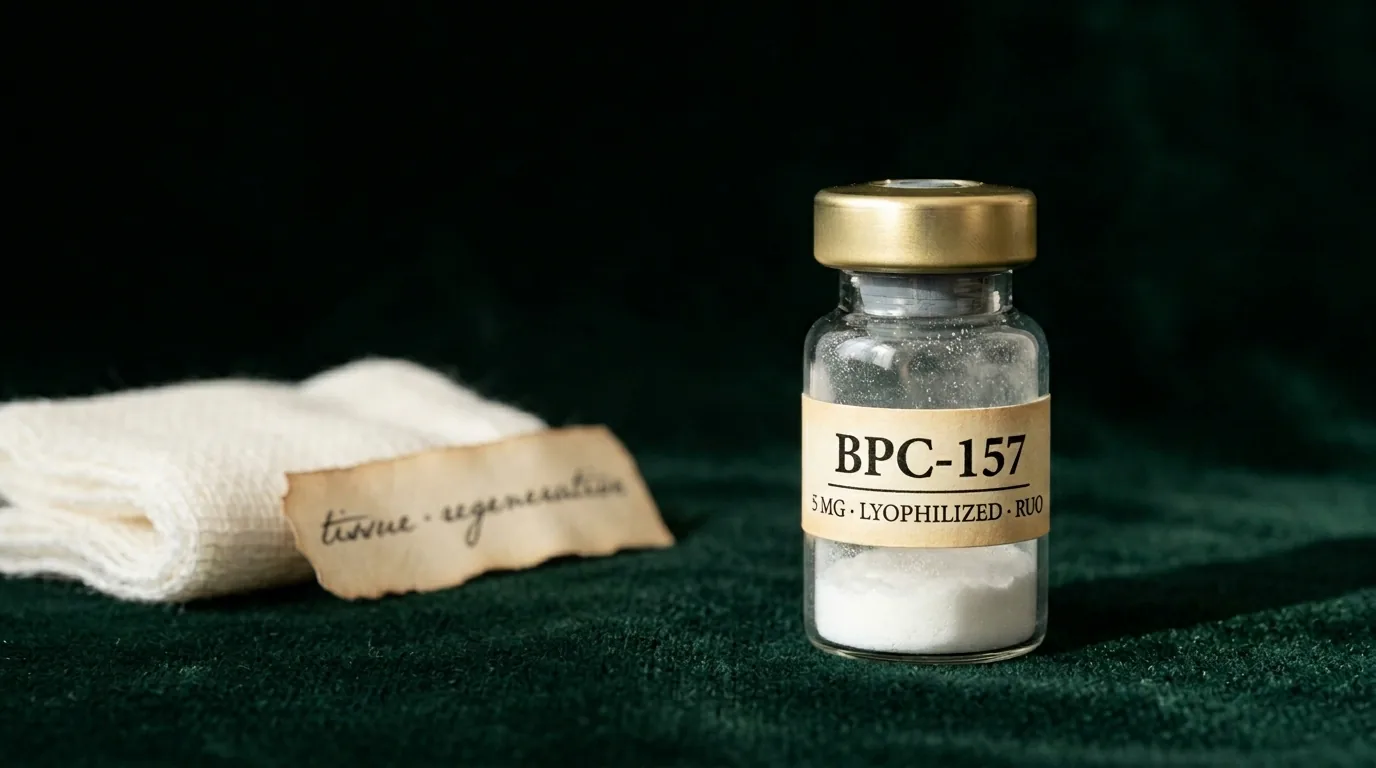
Research published in this area investigates tissue repair, soft tissue regeneration, gut barrier integrity, vascular and angiogenic signalling, and copper peptide chemistry. Mechanism studies span animal models, in vitro work, and a small body of human investigation. The published literature on BPC-157, GHK-Cu, and TB-500 in this domain spans more than two decades.

compoundsBPC-157, TB-500, GHK-Cu, KPV, Epitalon
research baseMature, multi-decade publication record
what research investigatesRepair pathway mechanisms, collagen biology, fibroblast activity, mucosal integrity
View compounds in this area →
Longevity and cellular senescence research compounds at the Cresten verification standard
Area 02

Longevity & Senescence

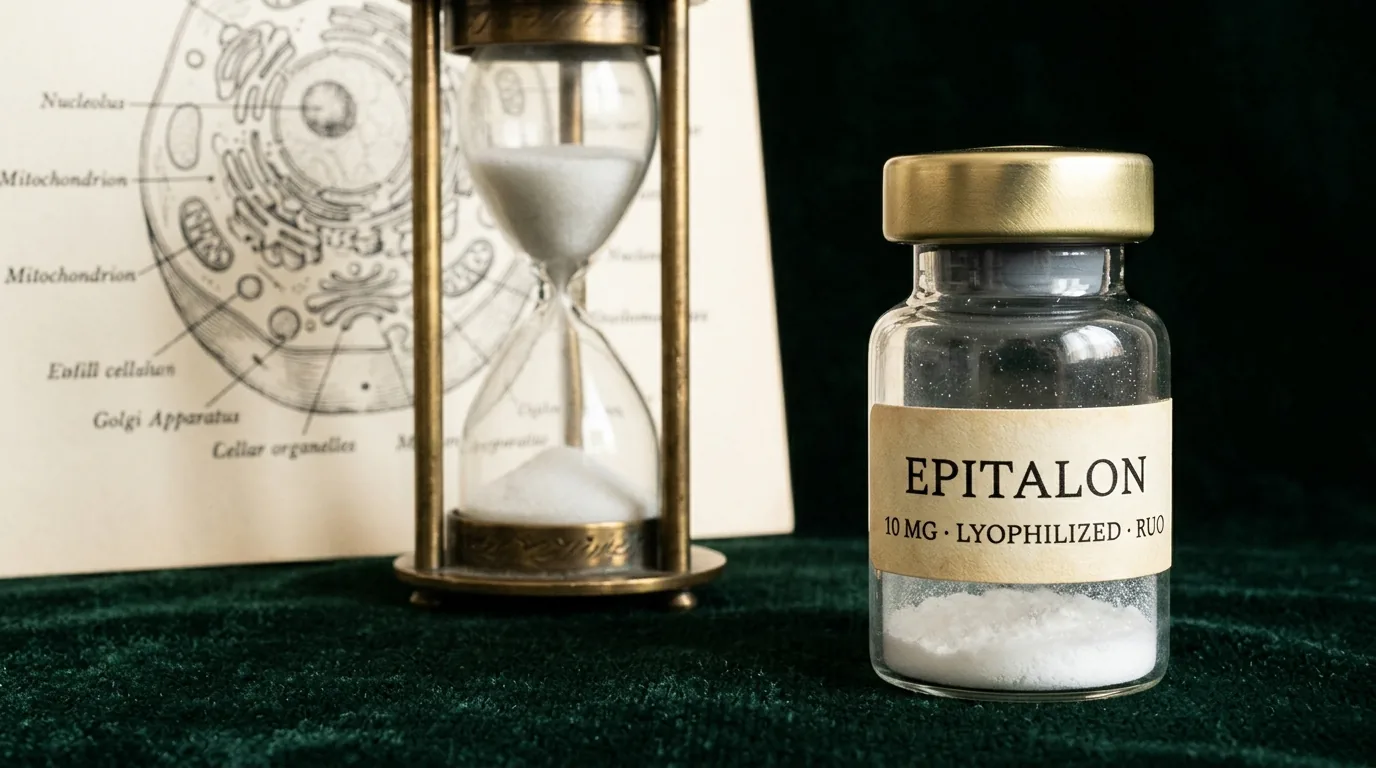
Research published in this area investigates mitochondrial function, cellular senescence, telomere biology, NAD+ metabolism, and growth-hormone-stimulating peptide pathways. The published literature has expanded substantially since 2020. Cresten supplies the well-studied compounds where the analytical methodology is established.

compounds5-Amino-1MQ, AOD-9604, CJC-1295 No DAC, GHRP-2, GHRP-6, IGF-1 LR3, Ipamorelin, MOTS-c, NAD+, Sermorelin, SS-31, Tesamorelin
research baseExpanding rapidly, well-cited
what research investigatesSenescence markers, mitochondrial bioenergetics, GH axis signalling, healthspan biology
View compounds in this area →
Neuropeptide and cognition research compounds at the Cresten verification standard
Area 03

Neuropeptide & Cognition

Research published in this area investigates neuropeptide signalling, melanocortin and dopaminergic pathways, and sleep regulation. The Russian school of neuropeptide research (Selank) is included alongside Western neurobiological compounds. Mechanism studies are published in Russian-language and English-language journals; the catalogue cites from both.

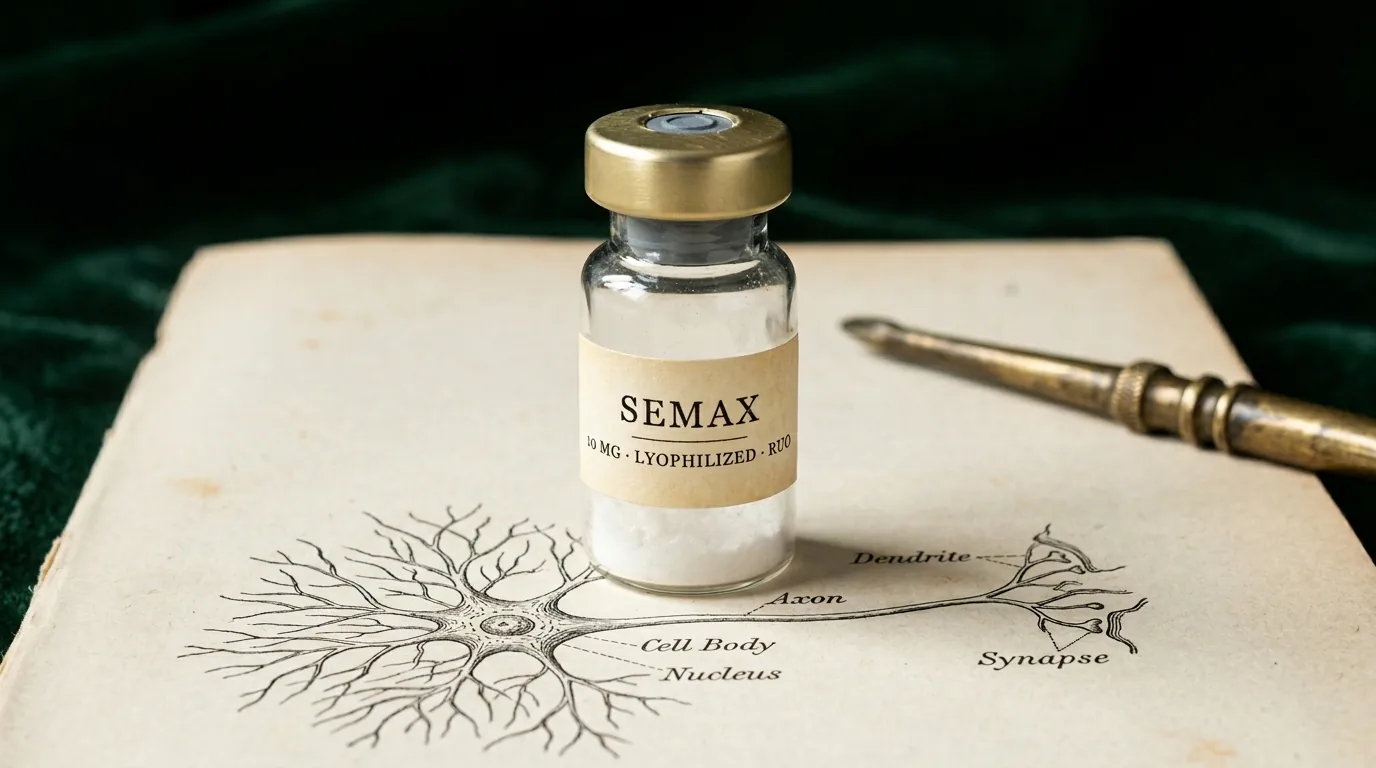
compoundsARA-290, Cerebrolysin, DSIP, Selank, Semax
research baseMixed-language publication, mature in the Russian school
what research investigatesNeuropeptide receptor binding, regulatory peptide signalling, sleep architecture biology
View compounds in this area →
Reproductive endocrinology research compounds at the Cresten verification standard
Area 05

Reproductive Endocrinology

Research published in this area investigates the hypothalamic-pituitary-gonadal axis, melanocortin receptor pathways, gonadotropin-releasing hormone biology, and luteinizing hormone receptor signalling. The published research base spans more than five decades, expanded by more recent melanocortin work on PT-141.

compoundsPT-141
research baseMature for foundational compounds, with focused recent melanocortin work
what research investigatesHPG axis signalling, GnRH receptor pulse pharmacology, LH receptor agonism, melanocortin receptor binding
View compounds in this area →

What the catalogue refuses.

A research peptide catalogue is also defined by what it does not carry. Cresten does not stock SARMs (selective androgen receptor modulators) or prohormones. The audience for those compounds partly overlaps with peptide research, but the regulatory situation and the long-term strategic landscape are different categories. A buyer looking for SARMs alongside their peptide research is better served by a vendor that specialises in those compounds.

Cresten does not stock pre-filled peptide pens or capsules. Freeze-dried vials only. The format choice is not random. Pre-filled formats are designed for ready-to-inject end use, which does not fit the research framework Cresten operates in. New formats are on the roadmap for Year 2; the limit is deliberate in Year 1.

Cresten does not stock Melanotan II. The aesthetic peptide consumer audience is a different category from the research framework Cresten supplies. PT-141 is in the catalogue as a melanocortin-receptor research compound; Melanotan II is not, by deliberate choice.

"A catalogue is defined by what it refuses as much as by what it accepts."